Spore Probiotics Vs Regular Probiotics: Pros, Cons, and Differences

Spore Probiotics Vs Regular Probiotics

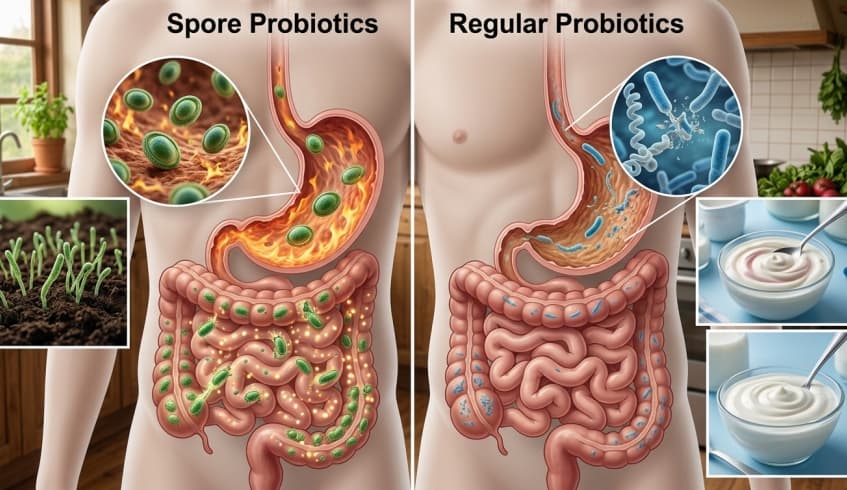
Spore Probiotics and Regular Probiotics are both live beneficial bacteria taken to support gut health, but they come from completely different bacterial families and behave very differently once you swallow them.

Regular probiotics are built around lactic acid bacteria, mostly strains from the Lactobacillus and Bifidobacterium families. These are the strains found in yogurt, kefir, and the majority of probiotic supplements sold in pharmacies.

They are active, living organisms at the time of consumption. Their survival through the digestive tract depends on the product’s formulation, the dose, and what you eat alongside them.

Read more

Eating Raw Beetroot Every Day: Benefits and Possible Side Effects

Eating Raw Beetroot

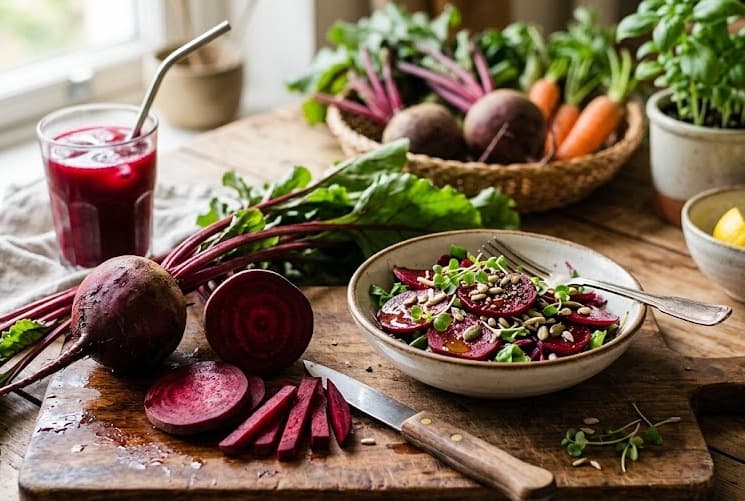
Raw Beetroot delivers a concentrated dose of dietary nitrate, betalain pigments, folate, and fiber that cooking partially breaks down or reduces. Much of the interest in beetroot comes from two key compounds: nitrates that can be converted into nitric oxide and betalains that provide antioxidant effects..

Once eaten, nitrate from beetroot is converted step by step into nitric oxide, a molecule that relaxes and widens blood vessels.

Wider blood vessels mean easier blood flow, which is the mechanism behind most of beetroot’s studied benefits, from blood pressure to endurance.

Raw beetroot preserves more of its natural nitrate and vitamin C because it hasn’t been exposed to heat. However, boiling can lower its oxalate content, which may be important when considering potential side effects.

Read more

Eating Sweet Potatoes Every Day: Benefits, Risks & What to Expect

Eating Sweet Potatoes Every Day

Sweet potatoes are one of the most nutrient dense root vegetables you can add to a daily meal plan.

Eating them every day can support digestion, steady blood sugar, and give you a reliable dose of vitamin A, but the same qualities that make them beneficial can cause problems if you eat them in excess or have certain health conditions.

The effects depend heavily on portion size, preparation method, and your individual health profile.

Read more

Beef Liver Supplements vs Iron Supplements: Which One Actually Works for Low Iron?

Beef Liver Supplements vs Iron Supplements

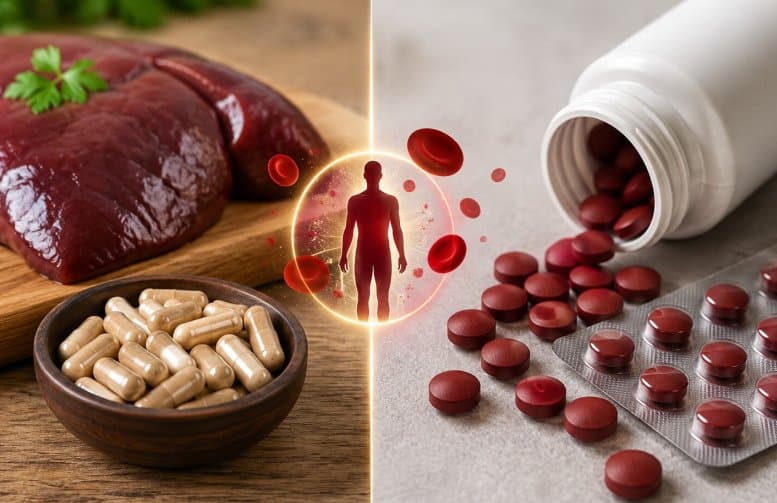
Beef liver supplements are freeze dried or desiccated organ meat pressed into capsules. They contain iron, but iron is one nutrient among many, alongside vitamin A, B12, copper, and folate.

Iron supplements, in contrast, are single ingredient products built around one iron compound, such as ferrous sulfate, ferrous gluconate, or ferrous bisglycinate. The core distinction is concentration and purpose. Beef liver gives you a food matrix. An iron supplement gives you a targeted dose.

Read more

Bone Broth Protein Powder vs Whey Protein Powder: Which One Is Right for You?

Bone Broth Protein Powder vs Whey Protein Powder

What is Bone Broth Protein Powder

Bone broth protein powder is dehydrated bone broth. Manufacturers simmer animal bones, usually chicken or beef, for many hours to extract collagen, gelatin, and minerals, then dry the liquid into a powder.

The protein in the powder comes almost entirely from collagen. NOW Sports Beef Bone Broth Powder, for example, contains 28 grams of protein per serving and is about 70 percent naturally occurring collagen.

Because it comes from bone and connective tissue rather than milk, it is naturally free of dairy, soy, and gluten, which makes it a common pick for people with food sensitivities.

Read more

Is It Safe to Eat Raw Mushrooms? Benefits, Risks & Expert Tips

Eat Raw Mushrooms

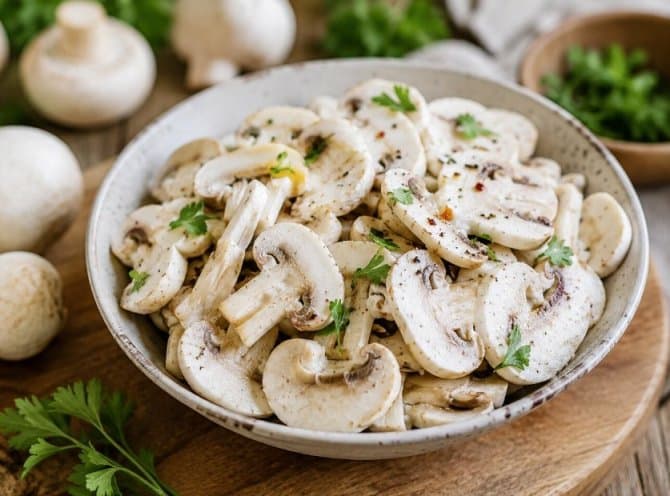
Raw mushrooms preserve nutrients that heat breaks down, particularly vitamin C, thiamin, and some B vitamins.

Six large raw white mushrooms contain about 24 calories and 1.1 grams of fiber, and they hold onto roughly twice the riboflavin, vitamin B6, and folate of the same mushrooms once cooked.

The appeal of raw mushrooms comes down to three things: nutrient retention, texture, and convenience. Sliced raw mushrooms add crunch to a salad without any prep time beyond washing and slicing.

Read more

Drinking Olive Oil Every Day: Surprising Health Benefits You Should Know

Drinking Olive Oil Every Day

A small daily amount of olive oil, roughly half a tablespoon to two tablespoons, is tied to real cardiovascular and brain health benefits.

A Harvard analysis of more than 92,000 adults followed for 28 years found that people who took in more than 7 grams of olive oil daily had a 28 percent lower risk of dementia related death regardless of the overall quality of their diet.

Drinking it straight, such as taking a morning shot, does not add extra benefit over using the same amount in cooking or on food.

Read more

What Happens When You Eat Raw Tomatoes Every Morning?

Eating Raw Tomatoes in the Morning

Eating raw tomatoes in the morning gives your body access to their nutrients before digestive competition from other foods reduces absorption efficiency.

The stomach is at its lowest pH in the morning, which improves the breakdown of cell walls in raw tomatoes and releases more lycopene, vitamin C, and potassium into the bloodstream.

Lycopene is the most studied compound in tomatoes. It is a carotenoid pigment that gives tomatoes their red color and acts as one of the most powerful antioxidants in the human diet.

Read more

Boiled Neem Leaves Water: Health Benefits and How to Prepare It

Drinking Boiled Neem Leaves Water

Boiled neem leaves water is made by simmering fresh or dried leaves of the neem tree (Azadirachta indica) in water for 10 to 15 minutes, then straining and drinking the liquid. People across South Asia, Africa, and Southeast Asia have used it as a medicinal drink for centuries.

The neem tree is native to the Indian subcontinent. It belongs to the mahogany family Meliaceae. Almost every part of the tree has been used in traditional Ayurvedic and Unani medicine.

Read more

How to Help Your Body Absorb Nutrients Like a Pro

Body Absorb Nutrients

To help your body absorb nutrients, focus on digestion and diet. Simple changes can boost nutrient intake effectively.

Proper nutrient absorption is crucial for maintaining overall health. Even if we consume a nutrient-rich diet, our bodies may not fully absorb all essential vitamins and minerals.

Several factors, including digestion, gut health, and lifestyle choices, influence nutrient absorption. In this comprehensive guide, we’ll learn practical tips to improve digestion. Discover how small adjustments can make a difference. Empower our body to get the most from our meals. Boost our energy and wellness with simple strategies.

Read more