
Should You Try Vitamin IV Therapy? Pros and Cons

Vitamin IV Therapy Pros and Cons

Vitamin IV Therapy has moved from hospital settings into strip mall clinics, mobile vans, and even home visits. The pitch is simple. A nurse places a needle in your arm, a bag of fluid drips vitamins and minerals straight into your bloodstream, and you leave feeling hydrated and energized.

Millions of people now pay for this each year, but the science behind the claims is thinner than the marketing suggests.

Before you book a session, it helps to know exactly what you are paying for and what you are risking.

Read more

What Not To Do After an Iron Infusion For the Best Recovery

What Not To Do After an Iron Infusion

An iron infusion corrects low iron fast, but the days right after still matter. Many patients take a pill, hit the gym, or book a blood test too soon, and each of those choices can throw off recovery or make results hard to read.

Knowing what to skip for the first few days helps the infusion actually work the way it is meant to.

Read more

Best Liquid Vitamin For Women Over 50: Essential Nutrients to Consider

Best Liquid Vitamin For Women Over 50

A liquid vitamin for women over 50 is a multivitamin formula dissolved in a liquid base instead of pressed into a tablet or packed into a capsule. It is built around the nutrients women commonly lack after age 50: calcium, vitamin D, vitamin B12, and magnesium.

The format matters because it is meant for a specific problem. Some women develop trouble swallowing pills, reduced stomach acid, or gut irritation from tablet fillers.

A liquid formula removes the need to break down a solid shell before the nutrients reach the bloodstream.

This is not the same as a general multivitamin repackaged in liquid form. A formula built for this age group should specifically address bone density, energy metabolism, and the absorption changes that come with menopause and normal aging.

Read more

Spore Probiotics Vs Regular Probiotics: Pros, Cons, and Differences

Spore Probiotics Vs Regular Probiotics

Spore Probiotics and Regular Probiotics are both live beneficial bacteria taken to support gut health, but they come from completely different bacterial families and behave very differently once you swallow them.

Regular probiotics are built around lactic acid bacteria, mostly strains from the Lactobacillus and Bifidobacterium families. These are the strains found in yogurt, kefir, and the majority of probiotic supplements sold in pharmacies.

They are active, living organisms at the time of consumption. Their survival through the digestive tract depends on the product’s formulation, the dose, and what you eat alongside them.

Read more

Eating Sweet Potatoes Every Day: Benefits, Risks & What to Expect

Eating Sweet Potatoes Every Day

Sweet potatoes are one of the most nutrient dense root vegetables you can add to a daily meal plan.

Eating them every day can support digestion, steady blood sugar, and give you a reliable dose of vitamin A, but the same qualities that make them beneficial can cause problems if you eat them in excess or have certain health conditions.

The effects depend heavily on portion size, preparation method, and your individual health profile.

Read more

Drinking Olive Oil Every Day: Surprising Health Benefits You Should Know

Drinking Olive Oil Every Day

A small daily amount of olive oil, roughly half a tablespoon to two tablespoons, is tied to real cardiovascular and brain health benefits.

A Harvard analysis of more than 92,000 adults followed for 28 years found that people who took in more than 7 grams of olive oil daily had a 28 percent lower risk of dementia related death regardless of the overall quality of their diet.

Drinking it straight, such as taking a morning shot, does not add extra benefit over using the same amount in cooking or on food.

Read more

What Are The Most Common Side Effects of Folic Acid?

Common Side Effects of Folic Acid

The most common side effects of folic acid are mild and involve the digestive system: nausea, bloating, gas, and a bitter or metallic taste in the mouth. These effects usually show up at higher doses rather than at the standard 400 to 800 mcg found in most daily multivitamins.

Folic acid, also called vitamin B9, is water soluble. Your body uses what it needs and clears out the rest through urine, which is part of why serious side effects are uncommon at typical intake levels. Most people who react at all notice it in the stomach first.

At much higher therapeutic doses, such as 15 mg a day taken for a month, a wider set of symptoms has been reported, including abdominal distension and flatulence. Those doses are prescription strength and well above what is in an over the counter supplement.

Read more

Is It Bad to Take Vitamins on an Empty Stomach?

Take Vitamins on an Empty Stomach

Taking vitamins on an empty stomach can irritate your stomach lining. This can cause nausea, cramping, or diarrhea in some people.

The reaction depends on the vitamin. Iron, vitamin C, and zinc are common causes because they directly irritate stomach tissue when nothing else is in your digestive system.

Fat soluble vitamins behave differently. Instead of irritation, the main problem is poor absorption, since your body needs fat present to move them out of your gut and into your bloodstream.

Read more

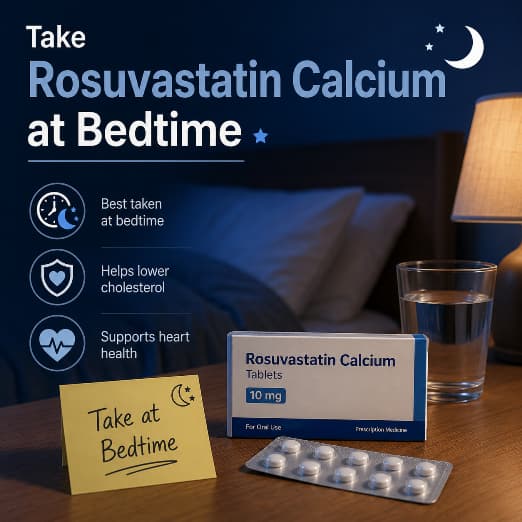
Why Take Rosuvastatin Calcium at Bedtime?

Take Rosuvastatin Calcium at Bedtime

Rosuvastatin calcium is a prescription statin medication used to lower high cholesterol and reduce the risk of heart disease.

It works by blocking an enzyme called HMG-CoA reductase (3-hydroxy-3-methylglutaryl-coenzyme A reductase). This enzyme controls how much cholesterol the liver makes each day.

Read more

Hidden Risks of Taking Vitamins Before Surgery

Risks of Taking Vitamins Before Surgery

Doctors tell patients to stop taking vitamins before surgery because many supplements directly interfere with the body’s ability to clot blood, respond to anesthesia, and fight infection after the procedure.

This is not a general precaution. It is based on documented drug and supplement interactions that can cause real harm in the operating room.

Read more