Sooner or later, someone who tests at home finds a vial of expired glucose test strips in a drawer.
The meter still gives a number, so the date is easy to ignore, but nothing on the screen tells you whether that number is right.

Resource For Health & Wellness
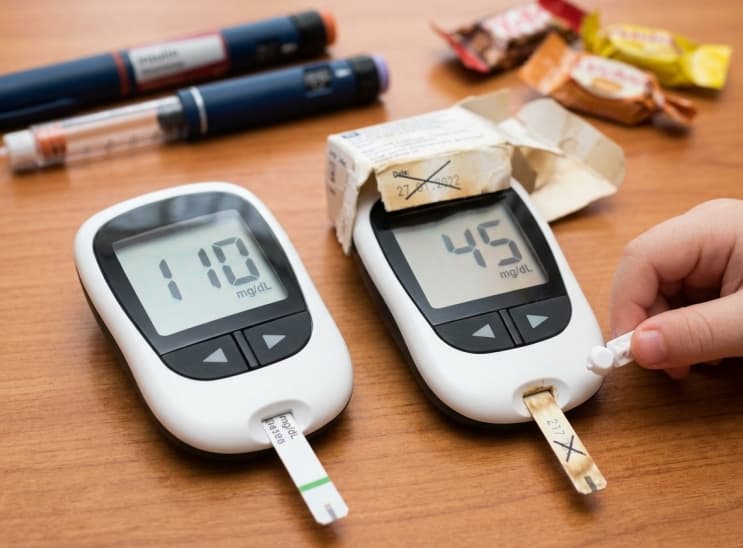
Sooner or later, someone who tests at home finds a vial of expired glucose test strips in a drawer.
The meter still gives a number, so the date is easy to ignore, but nothing on the screen tells you whether that number is right.

Storing water in a copper vessel is an old Ayurvedic practice known as tamra jal. People drink it for digestion, immunity, and skin health.
Most of those claims come from tradition, not lab data. One benefit does hold up under research: copper kills certain waterborne bacteria through a process called the oligodynamic effect.
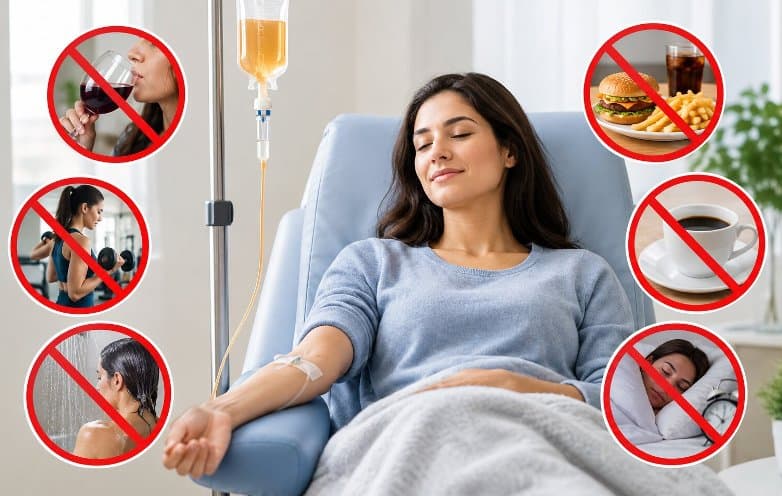
An iron infusion corrects low iron fast, but the days right after still matter. Many patients take a pill, hit the gym, or book a blood test too soon, and each of those choices can throw off recovery or make results hard to read.
Knowing what to skip for the first few days helps the infusion actually work the way it is meant to.
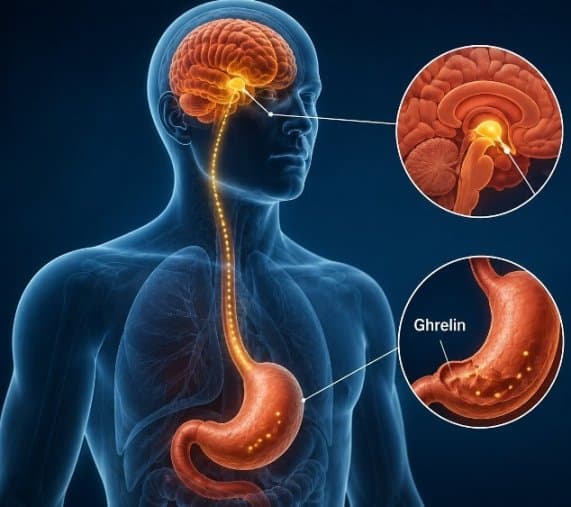
Hunger without eating comes from a hormone called ghrelin, which your stomach releases on a schedule built around your normal meal times, whether or not food is actually available.
Ghrelin travels to the hypothalamus, the part of the brain that controls appetite, and triggers the physical sensations of hunger such as stomach growling and food focused thoughts.
This means your body can feel hungry at 1 p.m. simply because you usually eat lunch then, even if you are not truly short on energy.
Ghrelin levels naturally rise and fall in waves throughout the day, so a wave of hunger that feels intense at first often fades within 15 to 20 minutes if nothing is eaten.

Drinking bone broth in the morning gives your body a concentrated dose of collagen protein, gut-supporting gelatin, and trace minerals before other foods interfere with absorption.
The main benefits include improved gut lining integrity, reduced joint pain, better skin elasticity, and steadier morning energy without the blood sugar spike that comes from carbohydrate-heavy breakfasts.

In winter, your legs may feel cold due to decreased blood circulation and exposure to cold temperatures. During this season, blood vessels constrict and reduce blood flow to the extremities, leading to cold sensations in the legs.
The combination of lower temperatures and limited blood supply affects the body’s ability to keep the legs warm. Additionally, inadequate insulation or insufficient clothing can exacerbate the issue. The issue of cold legs in the winter may be resolved by being aware of the underlying reasons and taking the necessary action, such as dressing warmly and maintaining an active lifestyle.
By improving blood circulation and keeping the legs insulated, you can ensure more comfort during the colder months.

When hungry, your hands shake due to low blood sugar levels causing a drop in energy supply to muscles. When you are hungry, a decrease in blood sugar levels occurs, leading to a lack of energy supply to the muscles.
This results in the shaking or trembling of your hands. This phenomenon is commonly known as hand tremors or essential tremors, and it is a temporary condition that occurs due to the body’s response to low blood sugar levels. These tremors are involuntary and can affect your daily activities, making it difficult to perform tasks that require steady hand movements.
We’ll look at the causes of your trembling hands when you’re hungry and talk about treatments and prevention options.
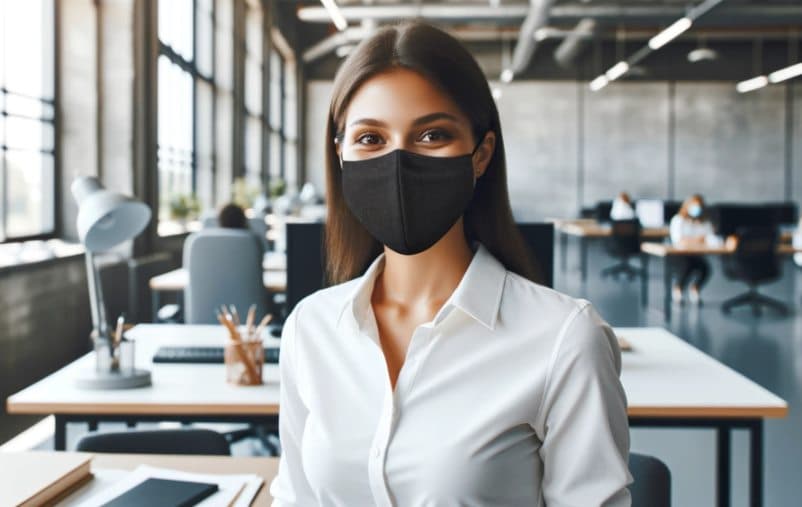
While disposable masks have been the norm for their convenience and price, there’s a growing shift towards reusable face masks. These masks not only offer effective protection but also stand as a sustainable choice in our fight against environmental waste.
This article explores the world of reusable face masks, looking at their types, advantages, upkeep, and contribution to environmental preservation.
Are you puzzled by the baffling situation of feeling dehydrated even when you’ve been diligently sipping water? It’s a paradox that has left many scratching their heads.
Within the confines of this article, we shall probe the curious conundrum: ‘What causes feelings of dehydration even after significant water intake?’ We will dissect the root causes, debunk any prevailing myths, and provide expert guidance to aid you in effectively quenching your body’s thirst.
Get ready to unravel the secrets of hydration and bid farewell to the enigma of paradoxical dehydration.

Sleep is essential for our overall well-being, allowing our bodies and minds to rejuvenate and recharge. However, there are times when our sleep can be disrupted by unexpected occurrences, such as sweating excessively around the neck area.
Elevated body temperature due to fevers and various underlying health issues can result in nighttime perspiration affecting both the head and neck regions. Women experiencing menopause and men with low testosterone levels may encounter this phenomenon.
In this article, we will discover the reasons behind nighttime neck sweat and learn effective solutions to manage it.